The Latest and Greatest from Google: Veo 3

2025-11-12
The Latest and Greatest from Google: Veo 3

The Future of Cinematic AI

AI video generation has reached a point where creativity meets realism, and Google’s Veo 3 is at the center of this evolution. Developed by Google DeepMind, Veo 3 turns written ideas or still images into lifelike cinematic clips with movement, depth, and sound. It pushes the limits of what AI can do for storytelling, giving creators and brands a way to produce excellent videos without traditional filming or editing.

What is Veo 3

The All New Google Veo 3 - Image 3

Veo 3 is Google’s most advanced video generation model yet. It allows users to create short clips from text prompts or single images, combining high visual fidelity with synchronized audio. Veo 3 understands motion, lighting, and perspective with a level of precision that feels close to real footage.

Launched globally in 2025 through Google’s Gemini and Vertex AI platforms, Veo 3 gives creators and developers direct access to professional-grade AI filmmaking. It’s trained to understand not only what a scene looks like but also how it should sound and move, which makes every frame part of a coherent, natural sequence.

Cinematic Realism and Sound

The All New Google Veo 3 - Image 4

One of the most remarkable aspects of Veo 3 is that it generates both visuals and audio together. The model creates ambient sound, dialogue, and background effects that align perfectly with the visuals. A scene of rain falling will include the gentle patter of droplets, while a city clip will feature subtle traffic and crowd noise.

This synchronization brings a new level of immersion to AI video. Earlier models required separate editing for audio, but Veo 3 handles it within the same generation process. For creators, this means complete cinematic clips ready for use in ads, stories, or promotional reels without needing external sound design.

Image-to-Video Animation

The All New Google Veo 3 - Image 5

Veo 3 can take an existing still image and bring it to life. Uploading a product photo, portrait, or landscape and describing the desired motion instantly transforms it into a realistic moving shot.

For example, a photo of a perfume bottle can become a short commercial sequence showing it rotating under soft lighting, with glimmers and reflections that mimic a real studio setup. This makes Veo 3 especially useful for marketers, product designers, and social media teams who want to repurpose existing visuals into dynamic video content.

Professional Control and Consistency

The All New Google Veo 3 - Image 6

Every frame created by Veo 3 is stable, detailed, and coherent. The model has been trained to maintain accurate physics, natural motion, and smooth transitions even during complex camera movements like pans or zooms. Lighting shifts naturally, shadows fall in realistic directions, and textures remain consistent throughout the clip.

Through Google Vertex AI, Veo 3 can also be integrated into automated creative workflows. Developers and agencies can build systems that generate branded videos at scale, using image libraries and descriptive text inputs. This makes it ideal for large-volume content creation while maintaining professional quality.

Built-In Safety and Transparency

To ensure authenticity and responsible use, Google has built watermarking directly into Veo 3. Each generated clip carries a visible mark and a digital signature called SynthID, which verifies that the video was created using AI. This approach allows businesses to use Veo 3 safely for commercial purposes while keeping transparency intact.

Applications Across Industries

The All New Google Veo 3 - Image 7

The potential uses for Veo 3 are wide and diverse. Businesses can produce product videos, brand reveals, and marketing visuals in minutes. Content creators can design reels, cinematic shots, and storytelling clips for social platforms. NGOs, educators, and agencies can bring ideas to life for awareness campaigns or training materials without needing a film crew.

For entrepreneurs, Veo 3 opens up a new path to generate content efficiently. A single prompt can turn into a short ad, a lifestyle video, or a storytelling sequence that looks professionally shot. It allows small teams and individuals to match the output quality of established studios at a fraction of the cost and time.

Limitations and Considerations

The All New Google Veo 3 - Image 8

Veo 3 currently supports short clips of around eight seconds in most public versions, which is ideal for ads and social content but not yet suited for long-form productions. Access is available through Google’s paid AI subscriptions or developer API. Watermarks are mandatory to ensure ethical use.

Although Veo 3 produces exceptional results, quality still depends on prompt design. Describing the scene clearly, mentioning lighting, motion, and perspective helps the model interpret the creative intent accurately. While it cannot yet handle long or multi-scene videos, its precision within short sequences makes it one of the most reliable AI video tools today.

The Creative Shift Ahead

The Latest and Greatest from Google: Veo 3 - Image 1

Veo 3 reflects a turning point where ideas can become moving visuals within minutes. The gap between imagination and production continues to narrow, allowing creators to focus on storytelling instead of technical barriers.

For marketers, filmmakers, and creative entrepreneurs, this marks the start of a new era in content creation. The ability to generate cinematic clips with realistic motion and sound from simple text is reshaping the way visual media is produced.

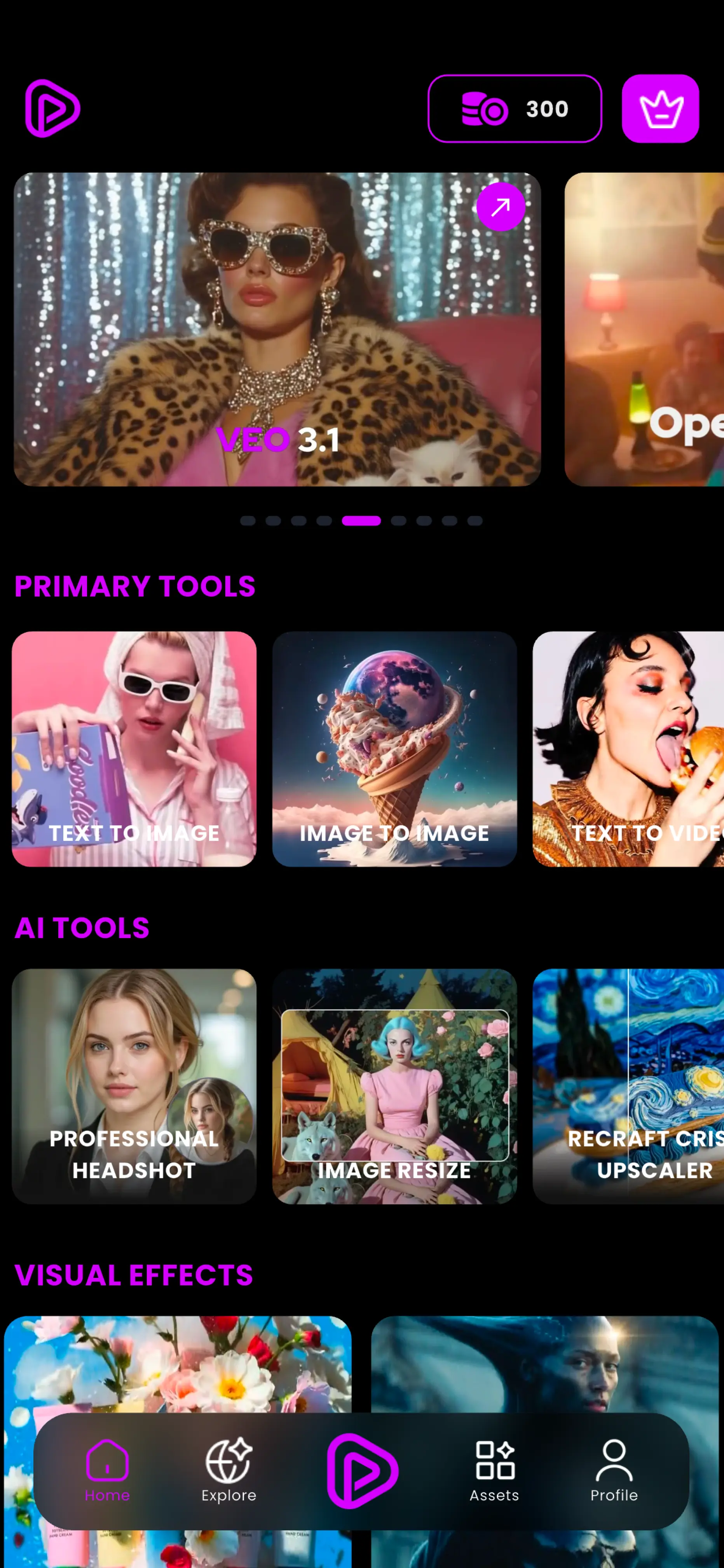
Try Veo 3 now on Pixara.ai and experience how Google’s latest model transforms creativity into professional-grade motion.