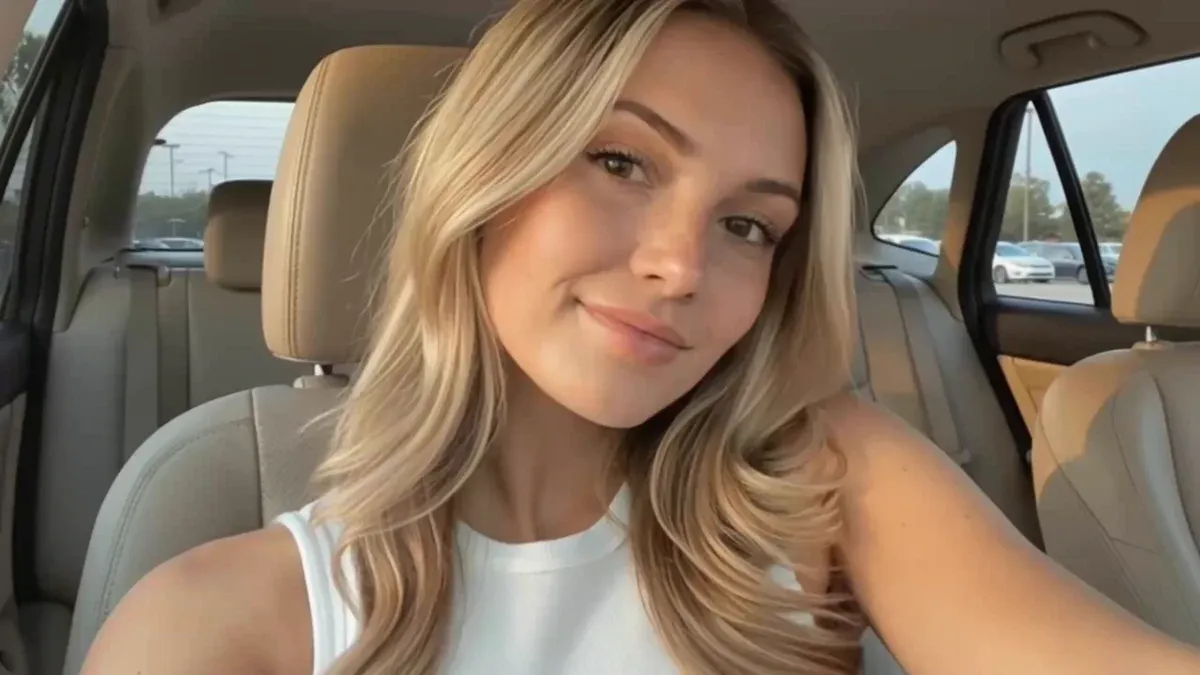


In the expansive and accelerating landscape of artificial intelligence, certain platforms herald a complete paradigm shift on existing technology. Among these titans, Midjourney AI stands as a monumental force, having transitioned from a fascinating technical curiosity into the single most influential engine for digital creativity of the modern era. It’s a collaborative entity that has fundamentally rewritten the lexicon of visual possibility, transforming the imaginative thought into immediate, tangible artistry.
The Signature Style

At its technological core, Midjourney utilizes an advanced implementation of diffusion models, a sophisticated category of generative AI that learns to create complex visual data structures from an initial state of random noise. This process is meticulously guided by the textual input provided by the user. Yet, to reduce Midjourney to a simple algorithmic function is to misunderstand the very nature of its brilliance. Where many competing models prioritize technical speed or sheer photographic realism, Midjourney has managed to cultivate an unparalleled aesthetic sensibility.
Its distinctive output is instantly recognizable across the digital sphere: images characterized by a dreamlike luminescence, a profound sense of atmosphere and narrative weight, and a stunning, often hyper-detailed fidelity that frequently borders on the sublime and the painterly. This unique visual signature suggests a proprietary and highly sophisticated layer of artistic curation woven deep into its underlying training data and inference pipeline. This elevates the results from mere generation to genuine conjuration, effectively democratizing access to a visual style previously accessible only to the most dedicated and technically proficient digital painters and conceptual artists.
Art for Everyone

The impact of Midjourney is perhaps most keenly felt in the radical and swift democratization of the entire creative process. Suddenly, anyone possessing a vivid imagination and the ability to articulate that vision through text can bypass years of rigorous technical training in domains like perspective, color theory, and rendering techniques. An architect, for instance, can instantly conjure a detailed vision of a neo-brutalist structure bathed in the orange glow of an alien sunset. A historical novelist can visualize their protagonist’s inner world rendered in the moody chiaroscuro of a 19th-century oil master.
This accessibility has unleashed a cultural tsunami, forcing established art communities, design studios, and intellectual property developers to grapple with complex, existential questions concerning authorship, technical skill, and the fundamental definition of "art" itself. Midjourney has fundamentally shifted the locus of creative scarcity from technical proficiency to imaginative intentionality. The ultimate value now resides not in the manual labor spent perfecting a brushstroke or polygon, but in the precision, the poetry, and the sheer originality of the guiding intellectual thought, the prompt. This transition marks one of the most significant accelerations in creative output in modern history.
Mastering the Prompt

The true mastery of this platform resides in what has rapidly become a highly sought-after discipline: Prompt Engineering. This is an art form, a collaborative dance between the human user and the machine's latent space, requiring a skillset that blends linguistic precision with aesthetic intuition.
A successful prompt is a meticulously constructed symphony of suggestion. Expert users learn to incorporate obscure art historical references, cinematic lighting techniques, and detailed material properties to communicate what they want to see and how they want it to feel. This mastery over the Alchemist's Language has introduced an entirely new skillset into the creative economy. The once-simple act of writing a description has been transformed into a nuanced, deeply intentional, and highly creative act, making the ability to articulate a complex, multi-layered vision the definitive talent of the new digital artisan.
The Creative Future

Midjourney is definitively not a passing technological curiosity; it has become an indispensable foundational layer for the future of visual storytelling, conceptual design, and industrial prototyping. As the platform continues its relentless and rapid evolutionary march, moving toward even greater image consistency, expanded video generation capabilities, and increasingly granular control over specific compositional elements, its integration into professional workflows will transition from optional asset to mandatory tool.
The platform is ultimately poised not to displace or obsolesce the human artist, but rather to magnify the scope and velocity of the human imagination. Midjourney serves as a tireless, infinitely skilled conceptual partner, capable of rendering thousands of iterations in the time it once took to sketch one. This allows human creators to spend less precious time on manual rendering and execution, and far more time on the crucial, uniquely human work of ideation, narrative development, and establishing emotional resonance. In the grand tapestry of digital creation, Midjourney AI has built an entirely new universe of visual possibility, where the only true limit is the boundary of the human mind itself.
Midjourney Parameters That Can Dramatically Improve Your Results
Many people believe better prompts alone create better images. Prompt quality matters, but Midjourney's parameters often have an even greater impact on the final result. They control how the AI interprets your instructions, how much creative freedom it has, how closely it follows your prompt, and even the shape of your final image.
Learning these settings gives creators far more control over every generation. Rather than generating ten random variations and hoping one works, you can intentionally guide the model toward the style and composition you want.
What are Midjourney parameters?
Parameters are command modifiers placed at the end of a prompt. They tell Midjourney how to generate the image beyond the written description.
Think of your prompt as explaining what you want, while parameters determine how Midjourney should create it.
For example, someone creating a YouTube thumbnail will use completely different settings than a concept artist creating cinematic fantasy environments.
Some parameters influence artistic style, while others affect image dimensions, randomness, detail level, speed, or creative interpretation.
Fanout Query: What are the best Midjourney parameters for realistic images?
Creating photorealistic images involves much more than writing "realistic" inside the prompt. Midjourney responds well when realism comes from multiple prompt elements working together.
A good realistic workflow usually includes:
- Natural lighting descriptions
- Camera and lens references
- Real world materials
- Proper aspect ratio
- Moderate stylization
- High image quality settings
Example prompt:
Portrait of an elderly fisherman standing on a foggy harbor at sunrise, weathered skin, cinematic lighting, photographed with an 85mm lens, shallow depth of field, ultra detailed, realistic textures, soft natural colors.
Many experienced creators also avoid extremely high stylization values because lower stylization allows Midjourney to stay closer to realistic visual references.
Explore the AI Art Revolution Today

Take the first step in redefining your creative limits. You can now try the magic of Midjourney and other models completely free on Pixara AI. Try it now and begin transforming your imagination into breathtaking visuals right now!
What does Stylize do in Midjourney?
Stylize controls how strongly Midjourney applies its own artistic interpretation.
A low Stylize value keeps the output closer to your written instructions.
A high Stylize value gives Midjourney greater creative freedom, producing images with stronger artistic flair, dramatic lighting, unusual compositions, and painterly aesthetics.
As a general guideline:
- Lower values work well for products, architecture, UI concepts, and realistic photography.
- Medium values balance creativity with prompt accuracy.
- Higher values are popular for fantasy art, surreal concepts, fashion editorials, and cinematic illustrations.
If your generations look beautiful but ignore important prompt details, reducing Stylize often produces more accurate results.
Fanout Query: Which aspect ratio should I use in Midjourney?
Different projects require different canvas sizes.
Choosing the correct aspect ratio from the beginning reduces cropping later and often improves composition.
Common aspect ratios include:
- 1:1 for profile pictures, icons, NFTs, and Instagram posts.
- 4:5 for Instagram portrait posts.
- 16:9 for YouTube thumbnails, presentations, and desktop wallpapers.
- 9:16 for TikTok, Shorts, and Instagram Reels.
- 3:2 for photography inspired compositions.
- 21:9 for cinematic landscapes.
Planning image dimensions before generating artwork saves time during editing and produces compositions that naturally fit the intended platform.
How much prompt detail is too much?
One of the biggest misconceptions is that longer prompts always create better images.
Length alone does not improve quality.
Midjourney performs best when prompts communicate clear priorities rather than endless lists of descriptive words.
Compare these two approaches.
Poor prompt:
Beautiful amazing ultra realistic incredible fantasy magical stunning masterpiece highly detailed colorful gorgeous beautiful landscape.
Better prompt:
Ancient stone castle built into snowy cliffs overlooking a frozen sea during sunrise, Nordic architecture, cinematic atmosphere, dramatic volumetric lighting, realistic textures, winter storm approaching.
The second prompt provides visual direction, setting, mood, architectural style, lighting, and composition. Every word contributes meaningful information.
Building Better Prompts With Layered Thinking
Professional Midjourney users rarely write prompts in a single sentence without structure. They mentally separate the prompt into layers, allowing every important creative decision to be communicated clearly.
This approach improves consistency and makes prompts much easier to edit later.
A practical framework looks like this:
Prompt Layer
Purpose
Subject
Main object or character
Environment
Location and surroundings
Lighting
Time of day, mood, shadows
Camera
Lens, angle, framing
Style
Photography, anime, watercolor, oil painting
Color Palette
Warm, muted, neon, monochrome
Materials
Wood, glass, metal, fabric, skin textures
Mood
Calm, mysterious, energetic, dramatic
Rendering Detail
Ultra detailed, soft textures, sharp focus
Parameters
Aspect ratio, Stylize, Quality and others
This layered process also makes prompt revisions far easier. If the composition works but the lighting feels wrong, only one layer needs adjustment rather than rewriting the entire prompt.
Why does Midjourney sometimes ignore my prompt?
This question appears frequently because users expect every instruction to receive equal importance.
Midjourney interprets prompts based on probability, learned visual relationships, and artistic priorities. Some concepts naturally receive greater emphasis than others.
Common reasons include:
- The prompt contains conflicting instructions.
- Too many unrelated ideas appear in one request.
- Artistic style conflicts with realism.
- Important keywords are buried near the end.
- Extremely high Stylize values allow more creative interpretation.
Breaking large ideas into separate generations often produces better results than trying to combine every concept into a single image.
For example, creating a fantasy warrior, futuristic city, dragon, spaceship, castle, sunset, battle scene, snowfall, fireworks, and photorealistic style in one prompt forces the model to balance many competing elements. Splitting these into multiple generations often delivers much stronger compositions.